
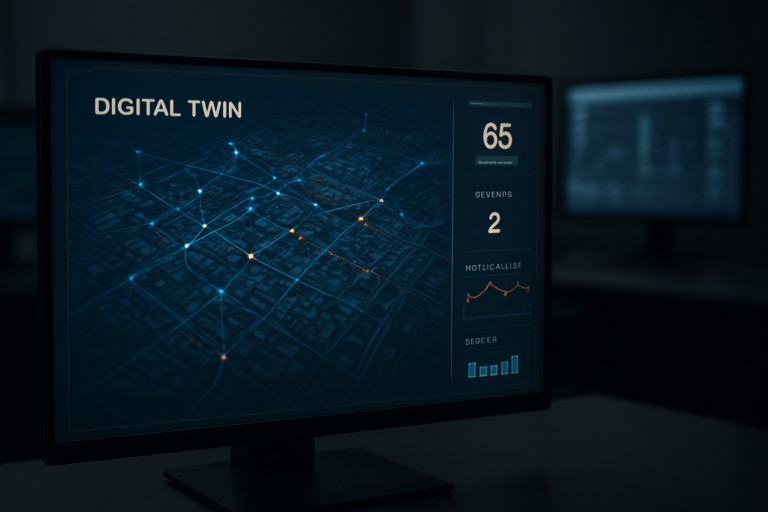
The electrical grid is the backbone of modern civilization, yet it faces increasing threats from extreme weather, aging infrastructure, and fluctuating demand. Power outages cost the U.S. economy an estimated $150 billion annually, and the challenge only grows as renewable energy sources introduce greater variability. To stay ahead of these disruptions, utilities are turning to a powerful tool: digital twins. These real-time virtual replicas of physical grids allow operators to simulate, predict, and optimize grid behavior like never before. By creating a living model that mirrors every transformer, line, and substation, digital twins are transforming grid resilience from a reactive scramble into a proactive science.
What Is a Digital Twin for the Grid?
A digital twin is a dynamic, data-driven virtual representation of a physical asset or system. For electrical grids, it goes beyond a simple 3D map—it ingests continuous streams of data from IoT sensors, smart meters, weather forecasts, and historical performance logs. This data feeds into AI and simulation models that update the twin in near real time, allowing operators to see exactly what’s happening across the network and anticipate what’s coming next.
Key characteristics of a grid digital twin include:
- Real-time synchronization – Data from field devices updates the twin every few seconds or minutes.
- Predictive capabilities – Machine learning models forecast failures, load spikes, and weather impacts.
- What-if simulation – Operators can test scenarios (e.g., a transformer failure or a major storm) without risking the actual grid.
- Two-way integration – In advanced implementations, the twin can send commands back to adjust grid settings.
The result is a living blueprint that helps utilities move from time-based maintenance to condition-based, predictive maintenance—saving money and preventing outages before they start.
How Digital Twins Enhance Grid Resilience
Digital twins bring a suite of capabilities directly aimed at making grids more resilient. Here’s how they tackle the biggest pain points:
- Outage prediction – By analyzing patterns in voltage, current, temperature, and vibration data, the digital twin can identify equipment likely to fail within days or weeks. This gives crews time to replace parts during low-demand periods, reducing emergency callouts.
- Optimized load balancing – The twin simulates load flow under various conditions, helping operators redistribute power to prevent overloads. During peak demand, it can suggest tapping into distributed energy resources or adjusting capacitor banks.
- Faster restoration – When an outage occurs, the twin provides a live map of affected areas, helping dispatchers prioritize crews and reroute power. Some systems even suggest the fastest switching sequence to isolate faults and restore service.
- Scenario testing for extreme events – Utilities can run hundreds of simulations of hurricanes, heatwaves, or cyberattacks to identify weak points and pre-position resources. This “digital rehearsal” is far cheaper and safer than testing on the live grid.
- Integration of renewables – Solar and wind power are variable. The digital twin combines weather forecasts with real-time output data to predict generation swings and schedule storage or demand response before frequency and voltage problems appear.
Predicting Outages Before They Happen
Outages rarely come out of nowhere. Transformers overheat gradually, vegetation grows into lines, and cables degrade over years. A grid digital twin fuses SCADA data, smart-meter readings, asset records, weather feeds and satellite imagery to calculate the risk of failure for each asset. Utilities can then:
- Replace or repair high-risk transformers and cables before they fail.
- Target vegetation management where wind and growth models show the greatest danger.
- De-energise or reconfigure lines proactively ahead of storms or wildfire conditions.
Optimising Load Balancing in Real Time
Load balancing has become harder as rooftop solar, EV chargers and heat pumps change how power flows through distribution networks. A digital twin runs power-flow calculations continuously, showing which feeders are approaching their limits. Operators can shift load between feeders, dispatch batteries, adjust voltage regulators or activate demand-response programmes—testing each option in the virtual model first to confirm it works.
Challenges to Adoption
- Data quality – Many utilities have incomplete or outdated network models and asset records.
- Integration – Twins must connect to SCADA, ADMS, GIS and asset-management systems that were never designed to talk to each other.
- Computing power – Real-time simulation of large networks requires scalable cloud or edge infrastructure.
- Cybersecurity – A detailed model of the grid is itself a sensitive asset that must be protected.
Conclusion
Digital twins give grid operators a living, virtual copy of their network where they can predict outages, rehearse emergencies and balance loads safely before acting in the real world. As extreme weather and renewable integration put more stress on power systems, this ability to see ahead is becoming essential. Utilities that invest in clean data and connected systems today will be best positioned to build a more resilient grid tomorrow.