
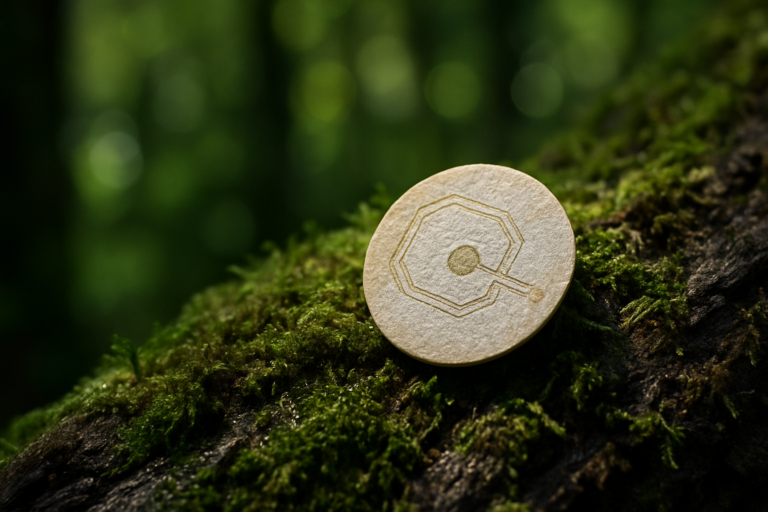
For decades, environmental monitoring has relied on rugged electronic sensors that can withstand harsh conditions and transmit data over long distances. These devices have been essential for tracking air quality, soil moisture, river levels, and wildlife patterns. But they come with a hidden cost: once their batteries die or their components degrade, they become electronic waste—often left behind in remote forests, oceans, or agricultural fields. The problem is only growing as the Internet of Things (IoT) expands into every corner of the planet. Enter bio-integrated sensors: biodegradable IoT devices designed to monitor our environment without leaving a permanent footprint. This emerging technology promises to transform how we collect ecological data, marrying the power of connected sensing with the principles of sustainability.
The Problem of Electronic Waste in IoT
The IoT industry is booming. By 2030, there will be an estimated 30 billion connected devices worldwide, many of them deployed for environmental monitoring. Each sensor typically contains a printed circuit board, a battery, plastic housing, and metal components. When these devices are left in the field for months or years, they eventually fail. Retrieving them is often impractical or impossible, especially in dense forests, wetlands, or underwater habitats.
The scale of the e-waste problem is staggering. According to the Global E-waste Monitor 2024, the world generated over 62 million metric tons of electronic waste in 2022, with only 22% formally collected and recycled. The rest ends up in landfills, incinerators, or—in the case of environmental sensors—directly in ecosystems. Even small sensors contribute to microplastic pollution and heavy metal contamination.
Traditional solutions like battery recycling or modular designs help, but they still assume the device can be recovered. Bio-integrated sensors offer a different approach: make the device itself disappear.
How Bio-Integrated Sensors Work
Bio-integrated sensors are built from materials that can decompose naturally after their useful life. Instead of silicon chips, they use organic semiconductors or conductive polymers. Instead of lithium-ion batteries, they draw power from biodegradable energy harvesters—such as enzymatic biofuel cells that convert glucose from the environment into electricity. The sensor substrate might be made of cellulose, silk protein, or polylactic acid (PLA) derived from corn starch.
Key Components
- Biodegradable substrate: Supports the sensor structure and breaks down into harmless compounds like carbon dioxide and water.
- Organic electronics: Conductive polymers or carbon-based transistors that can detect environmental parameters (pH, temperature, humidity, gas concentrations).
- Bio-battery: Enzymatic fuel cells that use ambient organic matter to generate micro-watts of power for weeks.
- Dissolvable antenna: Made from magnesium or zinc, enabling short-range wireless communication before corroding away.
- Encapsulation layer: A thin film of beeswax or modified starch that protects the sensor during operation and then degrades.
The sensor’s lifetime is engineered to match the monitoring period. For example, a soil moisture sensor might last three months during the growing season, then fully biodegrade within a year. The data is transmitted via low-power protocols like LoRaWAN or Bluetooth Low Energy to a nearby gateway, which can be a permanent, non-biodegradable station. The ephemeral sensor leaves no trace.
Applications in Ecological Monitoring
Bio-integrated sensors are already being tested in several real-world scenarios. Their ability to vanish after use makes them ideal for sensitive environments where retrieval is disruptive or impossible.
Forest Canopy Studies
Researchers at MIT have developed cellulose-based sensors that attach to tree bark and monitor microclimate variables like humidity, temperature, and carbon dioxide levels. These sensors weigh less than a gram and are applied using a biodegradable adhesive. After six months, they dissolve into the forest floor, adding nutrients rather than pollutants.
Agricultural Precision Farming
In agriculture, bio-integrated sensors can be scattered across fields to track soil pH, nutrient levels, and pest activity. Unlike conventional sensors that require collection at harvest time, these biodegradable devices simply break down after the growing season. This reduces labor costs and eliminates plastic waste in soil.
Aquatic Monitoring
Underwater sensors face unique challenges: they must be waterproof but also disposable. Researchers at the University of Cambridge have created sensors made from alginate (derived from seaweed) and zinc. These devices can monitor water temperature and turbidity in rivers and coastal zones. After their mission, they dissolve into the water, posing no threat to marine life.
Wildlife Tracking
Lightweight bio-integrated tags can be attached to migratory birds or insects. The tags transmit location and environmental data for a few weeks, then biodegrade, preventing entanglement or ingestion by predators. Early trials with monarch butterflies have shown promise.
Advantages and Challenges
The benefits of bio-integrated sensors extend beyond waste reduction. They are often cheaper to produce because they use abundant, renewable materials. Their small size and flexibility allow deployment at unprecedented scales—thousands of sensors per square kilometer. And because they require no retrieval, they enable long-term monitoring in remote areas that were previously inaccessible.
However, challenges remain. The data transmission range is limited because biodegradable antennas are less efficient than traditional ones. Power output from bio-batteries is still low, restricting the frequency of data collection. Durability in extreme conditions—such as desert heat or deep-sea pressure—needs improvement. And there is a fine line between “biodegradable” and “too fragile”: sensors must survive the monitoring period intact.
Current Limitations
- Short operational lifespan: Most prototypes last weeks to months, not years.
- Lower sensitivity: Organic semiconductors are less precise than silicon-based sensors.
- Hydrolysis in wet environments: Some biodegradable materials break down too quickly in rain or high humidity.
- Regulatory hurdles: Standards for biodegradable electronics are still being developed.
Despite these hurdles, investment is