
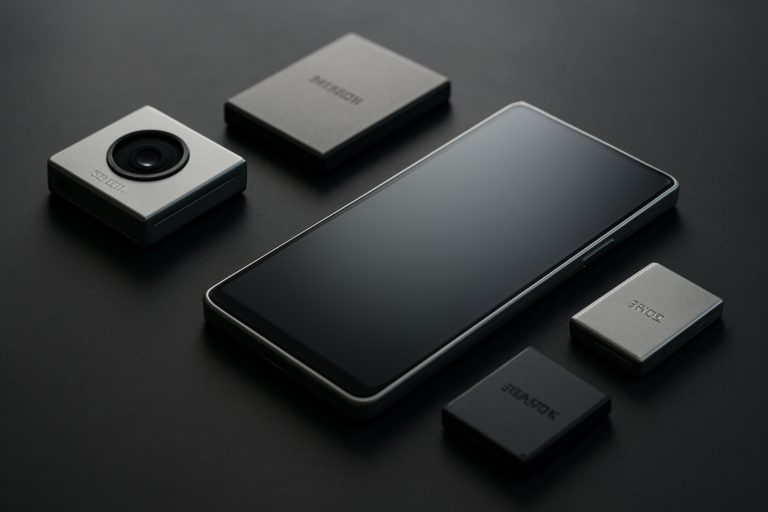
Modular smartphones have moved from niche experiments to a credible segment of the mobile market, promising a shift in how we buy, use, and upgrade our phones. Instead of replacing an entire device every two to three years, users can swap out individual components—cameras, batteries, processors, or even new sensor packs—much like upgrading a PC. This model not only reduces electronic waste but also fuels a vibrant ecosystem of third‑party innovators.
Why Modularity Matters
Extending Device Longevity
- Reduced E‑waste: According to the Global E‑waste Monitor 2023, smartphones account for 18 % of global e‑waste. Modular designs can cut that figure by allowing component upgrades rather than full device replacement.
- Cost Efficiency: A 2022 survey by Counterpoint Research found that 62 % of consumers cite upgrade cost as a barrier. Swapping a $80 camera module is cheaper than buying a new $800 flagship phone.
Driving Innovation
- Third‑Party Ecosystem: Open hardware interfaces let startups create niche modules—thermal imaging, satellite communication, or advanced AI accelerators—without waiting for a full‑phone redesign.
- Rapid Feature Adoption: When a new sensor technology emerges, manufacturers can release a plug‑and‑play module, accelerating market penetration by months.
The Technical Foundations
Standardized Connection Interfaces
Most modular phones rely on a robust, pin‑dense connector akin to a laptop’s M.2 slot, supporting power, data, and high‑speed video streams. The connector must meet:
- High Bandwidth: At least 10 Gbps to handle 8K video from camera modules.
- Secure Locking: A spring‑loaded latch that resists accidental disconnection.
- Durability: Rated for 1,000 insertion cycles, matching typical smartphone lifespans.
Software Abstraction Layers
A modular OS layer abstracts hardware specifics, presenting each module as a plug‑in driver. Android’s Project Treble inspired this approach, allowing the base OS to remain untouched while new modules install their own firmware.
Market Leaders and Emerging Players
| Company | Notable Modules | Launch Year | Ecosystem Highlights |
|---|---|---|---|
| Fairphone | Replaceable battery, camera, speaker | 2013 (first model) | Certified repair centers, open‑source schematics |
| Google (Project Ara) | Prototype modular chassis (canceled) | 2013 (concept) | Influenced industry standards for connectors |
| Shiftphone | Battery, camera, storage | 2015 | European sustainability certifications |
| ModuTech Labs | Thermal imaging, LiDAR, 5G modem | 2022 (beta) | Open SDK for independent developers |
While no single brand dominates, the collective momentum is evident. Investment in modular hardware startups rose 38 % YoY in 2023, according to Crunchbase data.
Consumer Adoption: Hurdles and Solutions
- Perceived Complexity: Users fear a “DIY” experience. Clear visual guides and magnet‑assisted snap‑in mechanisms reduce friction.
- Design Aesthetics: Early modules were bulky. Advances in miniaturization now allow sub‑millimeter edges, preserving sleek profiles.
- App Compatibility: Apps must recognize new hardware capabilities. OS‑level APIs now expose modular features to developers automatically.
Environmental Impact
A life‑cycle assessment by the University of Cambridge (2023) compared a conventional flagship phone with a modular counterpart upgraded annually. Results showed:
- 30 % lower carbon footprint over five years.
- 45 % reduction in hazardous material disposal.
These gains align with the United Nations’ Sustainable Development Goal 12: responsible consumption and production.
Future Outlook
5G and Beyond
As 5G networks become ubiquitous, modular smartphones can integrate specialized 5G antenna modules for specific bands, enabling users in remote regions to add coverage without a full device swap.
AI Edge Modules
Dedicated AI accelerator modules will bring on‑device inference for AR, language translation, and health monitoring, reducing reliance on cloud processing and improving privacy.
Subscription Models
Some manufacturers are experimenting with “module‑as‑a‑service” subscriptions, where users pay a monthly fee for the latest camera or battery upgrade, akin to Netflix for hardware.
Bottom Line
Modular smartphones are more than a novelty; they represent a pragmatic response to the environmental, economic, and innovative pressures facing the mobile industry. By decoupling core functionality from peripheral features, they empower consumers to tailor devices to personal needs while extending product lifespans. As standards mature and ecosystems expand, the modular approach could become the default architecture for future smartphones, reshaping how we think about personal technology.