
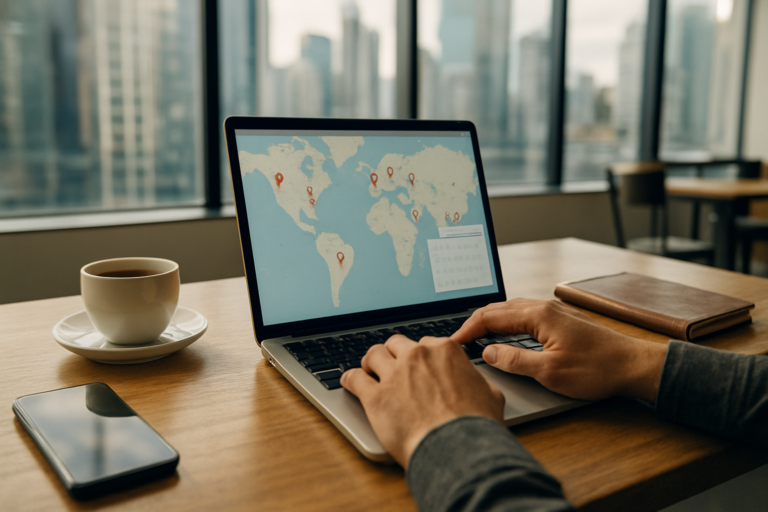
The traditional office—a fixed desk, a permanent address, a daily commute—is becoming a relic of the past. In its place, a new wave of professionals is redefining what it means to “go to work.” Digital nomads, armed with laptops, cloud services, and a global mindset, are proving that the best workspace might be a café in Bali, a co-working hub in Lisbon, or a train crossing the Swiss Alps. This shift isn’t just a lifestyle choice; it’s a technological revolution that’s reshaping industries, economies, and the very concept of productivity.
The Rise of the Digital Nomad
The term “digital nomad” first gained traction in the early 2010s, but the COVID-19 pandemic turbocharged the movement. According to a 2023 report by MBO Partners, the number of digital nomads in the United States alone reached 17.3 million, a 9% increase from the previous year. Globally, the trend is even more pronounced. A study by Upwork found that 36.2 million Americans will work remotely by 2025, and a significant portion of them will embrace a nomadic lifestyle. The driving force? Technology that makes location irrelevant.
The Tech Stack That Makes It Possible
Digital nomads rely on a sophisticated ecosystem of tools and infrastructure. Here’s a breakdown of the core technologies enabling this lifestyle:
- Cloud Computing: Services like Google Drive, Dropbox, and AWS allow instant access to files from anywhere. No more USB drives or emailing attachments—just a seamless sync that keeps work moving.
- Collaboration Platforms: Slack, Microsoft Teams, and Zoom have become the virtual water coolers. Real-time messaging, video calls, and shared project management tools (Trello, Asana, Notion) keep teams aligned across time zones.
- Connectivity: High-speed internet is the lifeline. Portable hotspots (like Skyroam), eSIMs, and global Wi-Fi networks ensure that a remote beach or mountain cabin can be as connected as a downtown office.
- VPNs & Security: With public Wi-Fi risks, VPNs (e.g., NordVPN, ExpressVPN) encrypt data and provide secure access to company networks, making remote work both possible and safe.
- Communication Hardware: Lightweight laptops (MacBook Air, Dell XPS), noise-canceling headphones (Sony WH-1000XM5), and portable webcams create a mobile office that fits in a backpack.
Workspaces Without Walls
The physical workspace itself has evolved. Digital nomads don’t just work from home; they create a fluid environment that adapts to their needs. Coworking spaces have exploded in popularity—there are now over 19,000 coworking spaces worldwide, according to Statista. These venues offer reliable internet, ergonomic furniture, and a community of like-minded professionals. But the workspace can also be a minimalist hotel room, a library reading nook, or even a park bench (thanks to noise-canceling headphones and mobile hotspots).
The key is flexibility. A digital nomad might start the day in a co-working space, move to a café for lunch, and finish the evening in a quiet hotel lobby. This fluidity isn’t just about comfort—it boosts creativity and productivity. A 2022 study by Harvard Business Review found that workers who have control over their physical environment report 29% higher job satisfaction.
The Impact on Industries and Innovation
The rise of digital nomads is forcing companies to rethink their own structures. Traditional office leases are being downsized, and remote-first policies are becoming the norm. Tech giants like Airbnb, Spotify, and Zapier have fully embraced distributed teams. This shift has a ripple effect:
- Real Estate: Demand for office space in city centers is declining, while suburban and rural properties with home-office potential are rising in value.
- Travel & Hospitality: Hotels and airlines are tailoring packages for remote workers—long-stay discounts, business-friendly amenities, and co-working lounges.
- Tax & Legal: The concept of “tax residency” is blurring, leading to new digital nomad visas (over 50 countries now offer them) and specialized legal services.
- Hardware & Software: Laptop manufacturers are prioritizing portability and battery life, while apps like WorldTimeBuddy and Every Time Zone simplify time-zone management.
Challenges and the Human Side
Despite the romance of a location