
Wearable technology has long been associated with bright, chunky fitness bands that count steps, monitor heart rates, and sync with smartphones. Yet the industry is rapidly shifting toward a more sophisticated, integrated ecosystem that blurs the lines between fashion, health, and artificial intelligence. This evolution is not just a trend; it’s a foundational change in how we interact with technology on a daily basis.
From Activity Tracking to Continuous Health Monitoring
The most noticeable leap is the transition from sporadic activity metrics to real‑time, continuous health monitoring. Modern wearables are now equipped with:
- Advanced biosensors that measure blood oxygen saturation (SpO₂), blood pressure, and even blood glucose levels non‑invasively.
- AI‑powered analytics that can detect arrhythmias, predict sleep quality, and flag abnormal vitals long before a user notices symptoms.
- Cloud integration that aggregates data across devices, providing a holistic view of a person’s health trajectory.
According to a 2023 Gartner report, 78% of global enterprises plan to deploy AI‑driven health monitoring wearables for their workforce by 2025. This shift points to wearables becoming indispensable tools for preventive medicine rather than mere fitness gadgets.
Smart Textiles: Clothing That Thinks
Smart fabrics are turning everyday garments into data‑collection platforms. By embedding flexible sensors into textiles, manufacturers can:
- Track posture and muscle activity, useful for athletes and rehabilitation patients.
- Adjust temperature in response to environmental changes, creating adaptive apparel for extreme conditions.
- Integrate with AR experiences, allowing garments to display dynamic patterns or notifications directly through the fabric.
In 2024, a pilot program in Sweden used smart jackets embedded with heart‑rate sensors to monitor firefighters during training, reducing heat‑stroke incidents by 34%. The potential for wearables to blend seamlessly into our wardrobe is opening new frontiers for both consumer and industrial applications.
Augmented Reality Glasses: The New Interface
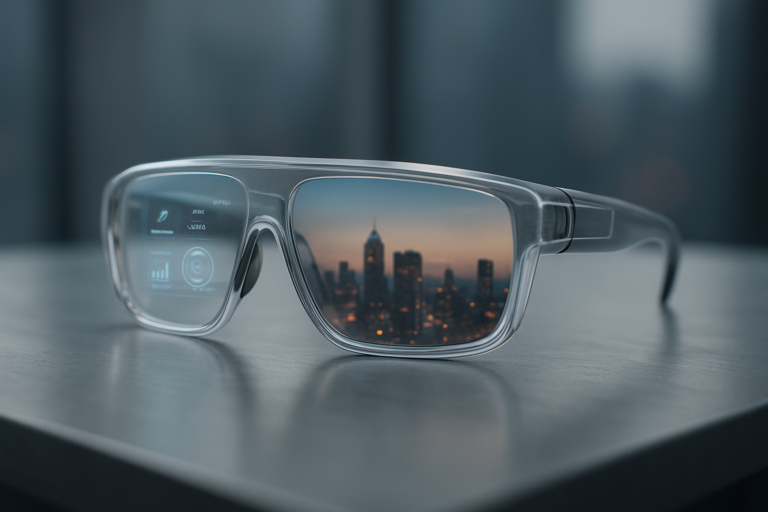
AR glasses are poised to replace smartphones for many contexts. Unlike the bulky headsets of the past, the latest models combine:
- Lightweight, near‑transparent lenses that overlay contextual information onto the real world.
- High‑resolution displays and eye‑tracking for intuitive interaction.
- Edge‑processing chips that keep latency low, enabling real‑time translations, navigation, and collaborative overlays.
A study by MIT Media Lab found that users of AR glasses completed complex assembly tasks 25% faster than with traditional manuals. As the hardware becomes more affordable, we can expect AR glasses to become a staple in offices, factories, and even everyday life.
Personal AI Assistants on Your Wrist
While voice assistants have dominated the smart speaker space, the wrist is emerging as the next command center. Wearables are now integrating:
- Natural language processing that understands context from biometric data and location.
- Predictive scheduling that anticipates meetings, routes, and health breaks.
- Secure authentication using multimodal biometrics (fingerprint, heartbeat patterns).
By 2026, projections suggest that 60% of users will rely on wearable AI assistants for daily decision-making, surpassing traditional smartphone assistants in convenience and immediacy.
The Internet of Things (IoT) and Wearable Ecosystems
Wearables are not isolated; they are integral nodes in a vast IoT web. Smart homes, vehicles, and workplaces can communicate with wearables to:
- Optimize energy consumption based on user presence and activity.
- Enhance safety by monitoring driver fatigue or detecting hazardous conditions.
- Personalize experiences, such as adjusting lighting or music to match the wearer’s mood.
This interconnectedness turns wearables into “personal hubs,” creating a seamless flow of data that enhances both individual well‑being and operational efficiency.
Data Privacy and Ethical Considerations
With great data comes great responsibility. The proliferation of health and behavioral data raises significant privacy concerns:
- Data ownership: Who owns the biometric data collected by a wearable?
- Consent mechanisms: How can users control what is shared with third parties?
- Algorithmic bias: AI models trained on skewed datasets may misinterpret signals, leading to incorrect health alerts.
Regulators worldwide are tightening standards, with the European Union’s Digital Health Act mandating transparent data usage and robust security protocols for medical wearables.
Market Growth and Investment Landscape
The wearable market is projected to reach $140 billion by 2028, with a compound annual growth rate (CAGR) of 17%. Venture capital flows indicate a strong focus on:
- Non‑invasive health diagnostics
- AI‑driven personalization
- Durable, flexible electronics
Startups that combine multiple modalities—sensing, AI, and connectivity—are attracting the most attention, as they offer a comprehensive user experience.
Looking Ahead: What’s Next?
- Brain‑computer interfaces (BCIs) that translate neural signals into wearable commands could eliminate the need for physical input entirely.
- Quantum‑enhanced sensors may offer unprecedented sensitivity, enabling early disease detection.
- Eco‑friendly manufacturing will become critical as sustainability demands grow, pushing the industry toward biodegradable materials and circular supply chains.
Conclusion
Wearable technology is shedding its fitness‑band image and stepping into a future where it acts as an invisible, intelligent companion. Through continuous health monitoring, smart fabrics, AR glasses, and AI assistants, wearables are reshaping how we perceive health, productivity, and interaction with the digital world. As the ecosystem matures, the line between human and machine will blur further, ushering in an era where technology is not just an accessory but an integral extension of ourselves.